Showcase · Industrial / SHEQ

Walk the plant.Train the crew.Prove competency.

A 360° walkthrough of your plant, a branching equipment-safety module that ends in an audit-ready competency record, and a SHEQ hazard-hunt that rewards spotting risk — web-delivered, no headset, and yours to own. Built for engineering, built-environment and mining.

Try the demos
Demo 1 · Plant walkthrough · 3 scenes

Walk the floor before anyone touches a machine.

Drag to look around. Tap a coloured point for the equipment there — its specs, its status, its isolation procedure. The scene rail moves you between the production hall, the maintenance bay and the site yard. Everything below the frame works with the viewer switched off.

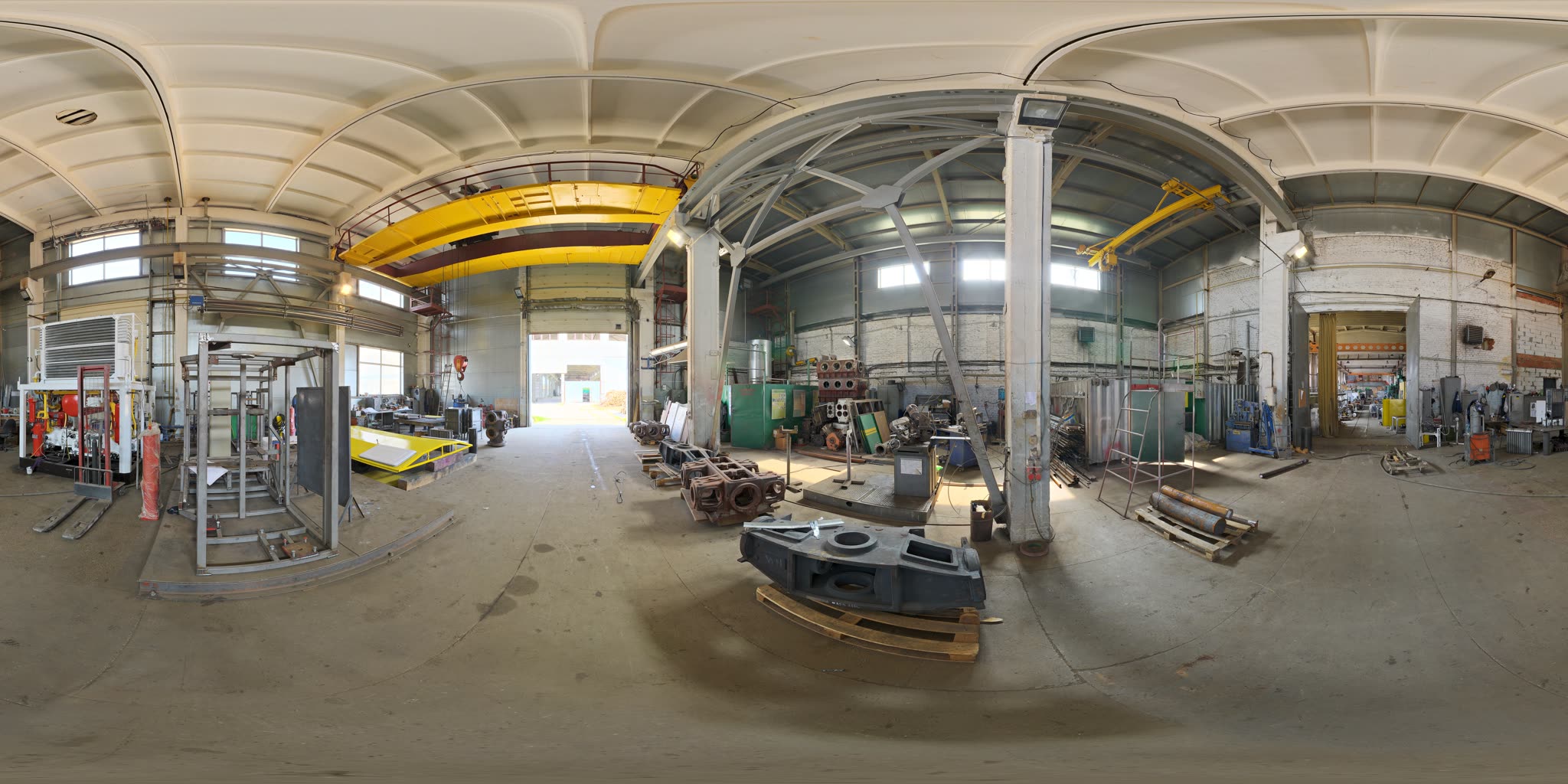
360° still of the Production Hall — Heavy metalworking floor
Production Hall · 3 scenesDrag to look around. Tap a coloured point for the equipment there. Nothing downloads until you press play.

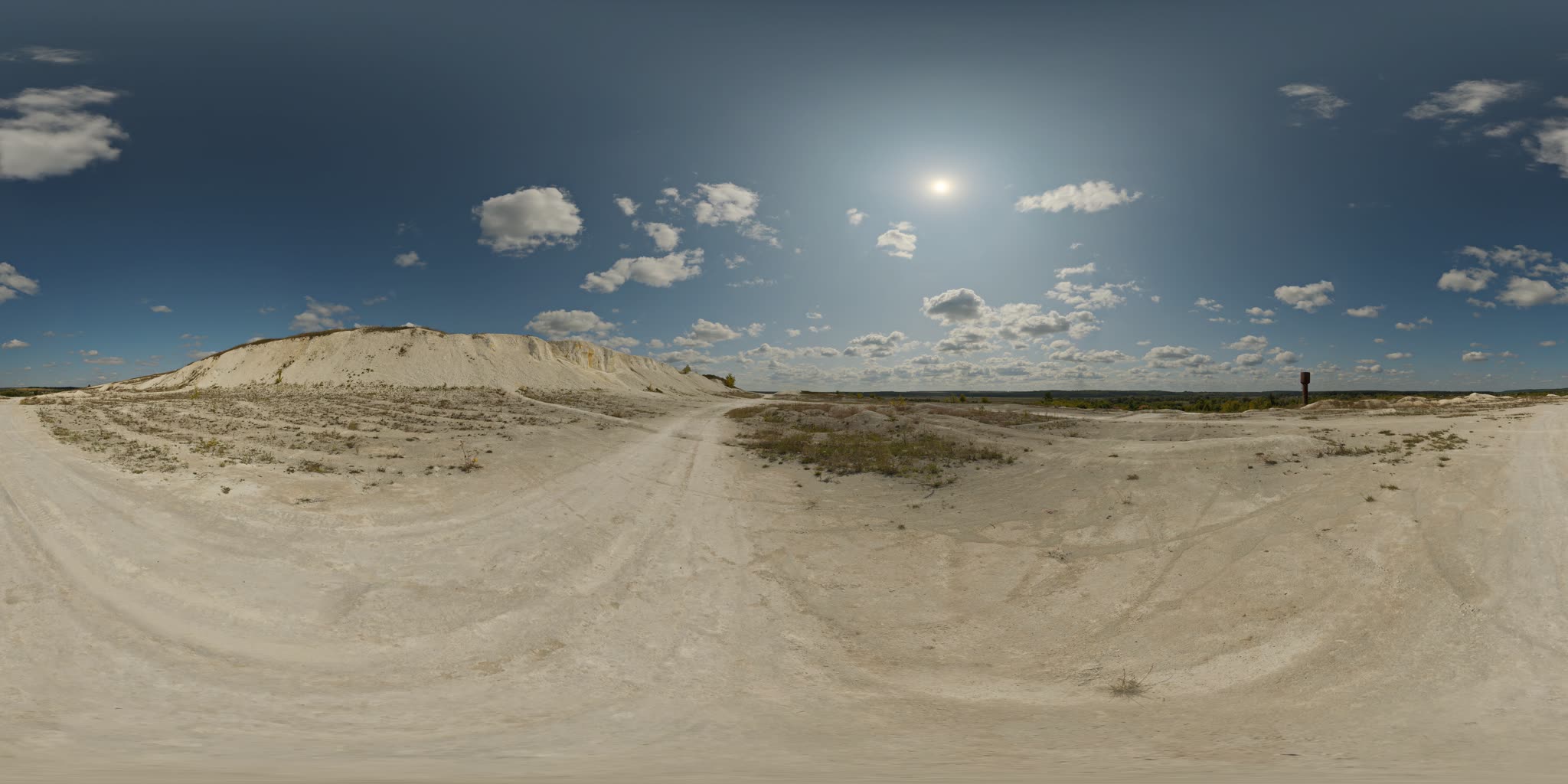
360° imagery: Poly Haven (CC0) — stand-in site. Captured for real plants on a DJI Osmo 360.

What the AI wrote about each scene
Scene 1 of 3

Production Hall

AI label · Heavy metalworking floor

A production hall of standing machine tools on a poured-concrete floor — lathes and mills ranged down the bay with swarf trays, coolant lines and a raised control desk to one side. Roof trusses carry the lighting and a service gantry runs the length of the room. This is the space a new operator has to learn to move through safely before they ever touch a machine.

  • CNC lathe
  • Isolation panel
  • Emergency stop
  • Service gantry
Scene 2 of 3

Maintenance Bay

AI label · Vehicle & plant service bay

A concrete-floored maintenance bay under fluorescent light — the space where plant and vehicles are stripped, serviced and put back. Tooling on the walls, fluids and a drainage channel underfoot. It doubles as the backdrop for the equipment-training module: the place LOTO, PPE and safe-isolation habits actually get used.

  • Service bench
  • PPE station
  • Fluid store
Scene 3 of 3

Site Yard

AI label · Open-pit working face

An open-pit working face with benched walls, haul tracks cut into the dirt and spoil piled at the edges — the outdoor, mine-like end of a site where ground conditions, moving plant and housekeeping all become live hazards at once. This is the scene the SHEQ hazard-hunt uses: pan around, and flag what you would report.

  • Working face
  • Haul route
Demo 2 · Equipment training

A wrong step here costs a retry, not a hand.

A branching Lock-Out / Tag-Out module built the way OSHA structures its own: a fixed safe sequence where a wrong choice shows the consequence and won't let you skip ahead. Pass the checkpoint quiz and it issues a competency record — the audit-grade artifact, kept separate from the game below.

Equipment training · Belt conveyor — production line

Lock-Out / Tag-Out a conveyor

Product has jammed and stopped on the belt. Maintenance is called to clear it. Everything below the belt — the drive, the gravity take-up — can still move under stored energy. Walk the isolation the way it has to happen. A wrong step shows you what it would cost.

  • 1. Notify
  • 2. Shut down
  • 3. Isolate
  • 4. Lock & tag
  • 5. Verify zero energy
  • 6. Release stored energy
  • 7. Work & restore
Demo 3 · SHEQ hazard-hunt

Score points for spotting what could hurt someone.

Sixty seconds on an open-pit face. Pan around and tap every hazard you would report — fall of ground, a blind spot, a spill, missing PPE. You score for the act of spotting and reporting, never for a low injury count. When the timer stops, the debrief tells you what each one meant and how it's controlled — because the debrief, not the score, is what sticks.

Open-pit site — Open-pit working face
8 hazards hidden · 60sPan the site and tap every hazard you would report. Nothing loads until you start.

"Quarry 02" by Sergej Majboroda, Poly Haven (polyhaven.com), CC0 1.0. — stand-in site. Points reward the act of spotting a hazard, never a low incident count.

How we build it

One walk through the plant. Four steps. No platform in the middle.

Capture takes an afternoon. The rest is a pipeline we run — and the output is typed content your site renders like any other page.

  1. 01

    Capture

    An afternoon walking the plant on a DJI Osmo 360 — the production hall, the maintenance bay, the yard, shot from standing height with a hold at each stop.

  2. 02

    Process

    Dual fisheye becomes a levelled equirectangular sphere, colour-matched and encoded to a seamless loop at two resolutions — desktop and phone.

  3. 03

    AI labels + draft

    A vision pass writes each scene's description and the equipment worth tagging; an SOP/manual pass drafts the training steps and quiz for a human to approve.

  4. 04

    Interactive web

    Scenes, hotspots, the training module and the hazard-hunt become typed content your site renders. No plugin, no iframe, no third-party player.

Current methods vs immersive

The old way still works. It just decays, and it scales badly.

How it's done today

Classroom & live plant

Slides, printed SOPs, weeks off-shift, live machine time, and the hazards you can't safely rehearse. It works — it just decays, and it scales linearly with cost and risk.

The immersive route

Walk it, train it, prove it

A 360 walkthrough, a branching equipment module and a hazard-hunt — web-delivered, no headset, owned by you and native to your site.

  • Induction & onboarding

    Today: Full-day to multi-week classroom and site walks. SA equipment courses run 7 days to 4 weeks per learner, off-shift.

    Immersive: A self-serve walkthrough with unlimited concurrent seats. Rio Tinto cut a site-walk induction from 4–6 hours to 30 minutes.

  • Retention

    Today: Slides and printed SOPs decay fast — the Ebbinghaus forgetting curve loses up to ~90% of unreinforced content within a month.

    Immersive: Learning by doing, rehearsed and reinforced. PwC found VR learners 4× faster than classroom and 275% more confident to act.

  • Equipment training

    Today: Live machine time burns fuel, causes downtime and wear, ties up an instructor, and risks trainee damage to the machine.

    Immersive: Rehearse on a digital twin. Simulators cut live-equipment need by up to 40%; PG&E's fuel and rental savings paid for the rigs.

  • Rare & dangerous scenarios

    Today: Fires, rock fall, gas events and vehicle incidents cannot be safely rehearsed live — so they mostly aren't rehearsed at all.

    Immersive: Run the dangerous scenario as many times as it takes, at zero incremental risk — exactly the fall-of-ground case worsening in SA.

  • Language & literacy

    Today: Text-heavy English/Zulu material excludes the ~3.8M functionally illiterate SA adults and anyone not fluent in the training language.

    Immersive: Visual, spatial, tap-to-learn content leans far less on reading — the same lesson reaches a wider workforce.

  • Site visits & inspection

    Today: Physical travel, scheduling, a safety induction per visitor, limited concurrent access.

    Immersive: Walk the site from anywhere, any number of people at once — no travel, PPE or escort overhead.

Figures are sourced in the ROI section below, each with its study named.

The numbers — sourced, or left out

What immersive training actually returns.

Every figure here carries the study it came from. The ones the research couldn't stand up, we left out on purpose.

The clearest number: induction time

Rio Tinto turned a shift-long site walk into a coffee break.

Source: Rio Tinto Parker Point VR induction, viewport.com.au — 4–6 hours cut to 30 minutes (~90% faster).

4× faster

VR learners trained vs classroom — and 275% more confident to act, with cost crossover at ~375 learners.

PwC VR Soft-Skills Study, 2020 (measured in soft-skills training).

219% ROI

over three years, with payback in under six months.

Forrester Total Economic Impact — commissioned by Meta (disclosed).

4–6h → 30min

Rio Tinto site-walk induction, ~90% faster; annual induction cost down ~75%.

viewport.com.au — Rio Tinto Parker Point case study.

44.9%

training-performance gain at BHP Escondida, alongside ~50% fewer worksite incidents.

exoinsights.com — BHP Escondida biometric VR case study.

54% fewer

recordable incidents from 3–5 min/shift gamified microlearning at Walmart DCs.

axonify.com — Walmart logistics.

35% uplift

production improvement in 90 days after VR blast-marking training in the 'Stope'.

Anglo American Platinum, Tumela (Amandelbult) — sts3D / International Mining.

R43–55m

invested in the Simulacrum underground training facility — a current SA anchor.

Sibanye-Stillwater × University of Johannesburg (Mining Weekly, 2024).

~90% lost

of unreinforced training forgotten within a month — the case for learning by doing.

Ebbinghaus forgetting curve (replicated cognitive science).

The SA trend immersive hazard training targets

2025 was a record-low 41 mining fatalities in South Africa — yet fall-of-ground deaths rose 25%, the one indicator moving the wrong way. That is exactly the rare-but-lethal scenario a hazard-hunt rehearses.

Minerals Council SA, via Daily Maverick / The Star (Feb 2026).

The cost of the status quo

Section 54 safety stoppages cost SA mines R4.84bn in lost revenue in 2015, with a single stoppage running a major miner ~R9.5m a day. Better hazard-recognition training is a direct lever on stoppage frequency.

Miningmx (figures are 2015 vintage — the mechanism, not this year's number).

Every figure above is sourced. We deliberately leave out the numbers the research couldn't stand up — the fabricated “cone of learning” retention percentages, unsourced knowledge-retention claims, and unverifiable consultancy savings figures — because a showcase built to prove rigour shouldn't lean on folklore.

The AI layer — roadmap, honestly

What we'd build next, and what we won't fake today.

Roadmap

Ask this machine

A chat assistant scoped to a specific machine's manual, service history and SOPs — a technician asks a plain-language question and gets step-by-step guidance back. The maintenance-chatbot pattern (OxMaint, iMaintain), pointed at your equipment.

Roadmap

SOP PDF → a training module

Upload an equipment manual or SOP and have the first draft of a hotspot walkthrough — labels, step sequence and quiz — generated for a human to approve and edit. No vendor does this end-to-end yet; it's genuine white space we can build.

Roadmap

AI-verified checkpoints

Vision models that confirm the honest, well-precedented things — PPE worn, correct zone, safe posture — rather than over-claiming fine-motor task verification. The realistic, deployed edge of "AI checked that you did it right."

None of the three is live on this page. They are capabilities we build for you — the live “ask this machine” chat rides on the same API layer we're landing with our 360 venue work, and we would rather say that than fake it here.

Rent the subscription, or own the thing

At mine scale, owning it is the cheaper curve.

Rent it forever

The subscription route

  • Digital-twin SaaS: ~$10–$309/mo tiers PLUS ~$20/mo per active space, forever.
  • VR-training platforms: ~$500–$1,000 per seat/year, often a 100-seat minimum.
  • Enterprise LMS: ~$2–$22 per user/month; deployments run $80k–$500k+/yr.
  • Lives on their servers, their player, their subdomain — and goes dark the day you stop paying.
Own it once

The Auxo route

  • One build cost. You own the asset outright — no per-space, per-seat or per-user meter.
  • Hosted on your own domain, in your brand, with your analytics — native to your site.
  • Adding a scene or a second site is a content change, not a new monthly line item.
  • Your safety and training IP stays yours — no lock-in on your own competency content.

Pricing anchors from published 2026 vendor rates (SofaBrain/Matterport, IGIVU VR-platform buyer's guide, Software Finder LMS guide) — they move, so check them before deciding anything on our say-so. At a mine's scale — hundreds to thousands of workers, dozens of sites — the per-seat, per-space math is exactly where owning it pays off.

Stand-in imagery & credits

Real footage comes from your site. These stand in — and get credited.

The 360 scenes are CC0 Poly Haven panoramas (credited under each stage). The photographs below are Creative Commons BY / BY-SA — they require attribution, so here it is. In your build, all of this is your own DJI-captured plant.

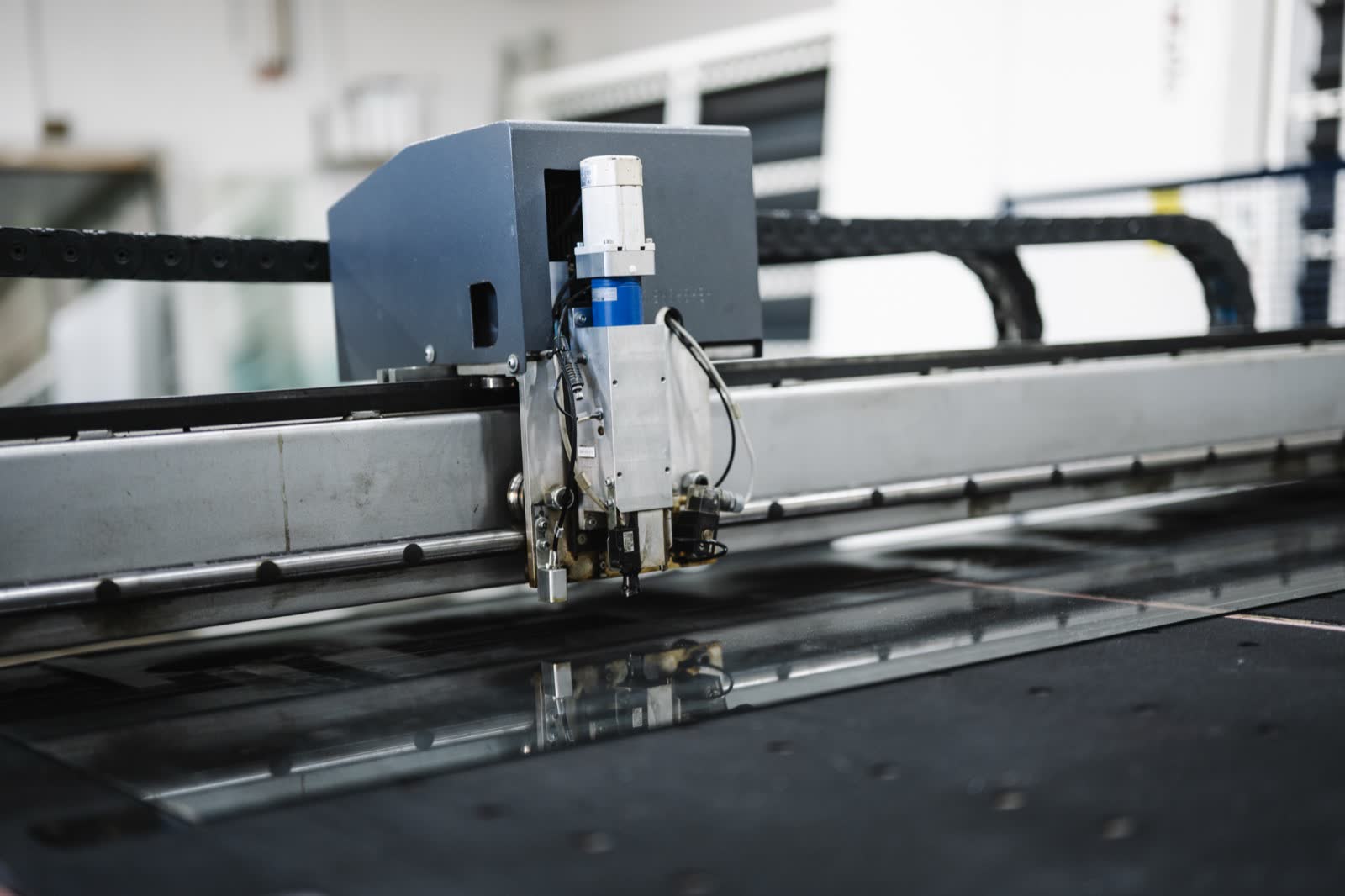
  • CNC-style cutting machine on a factory production line

    "Machine working in a factory…" by Shixart1985, Wikimedia Commons, CC BY 2.0.

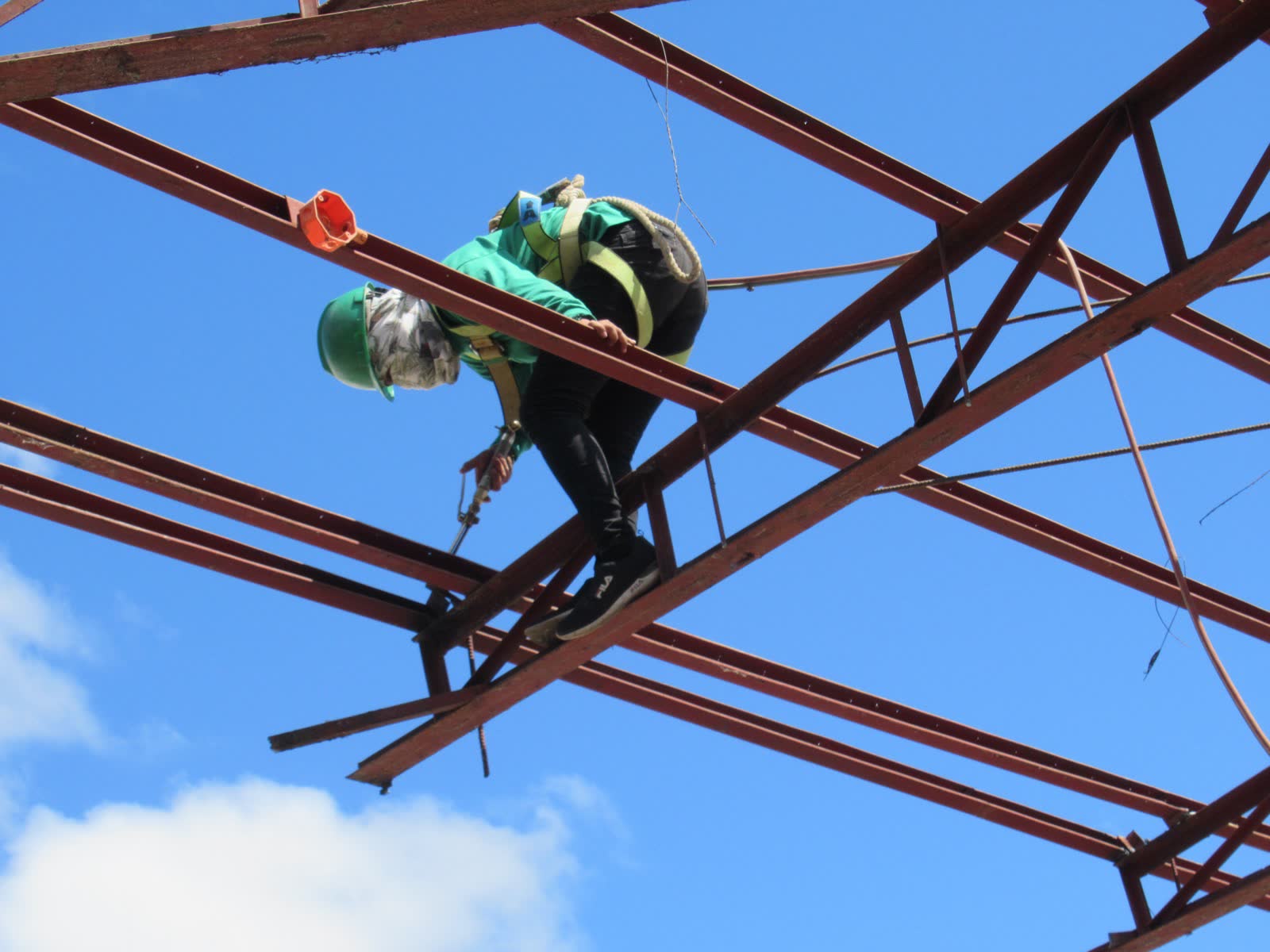
  • Welder in a green hard hat and PPE on a metal structure

    "Baliwagenyo welder with green hard hat…" by FBenjr123, Wikimedia Commons, CC BY-SA 4.0.

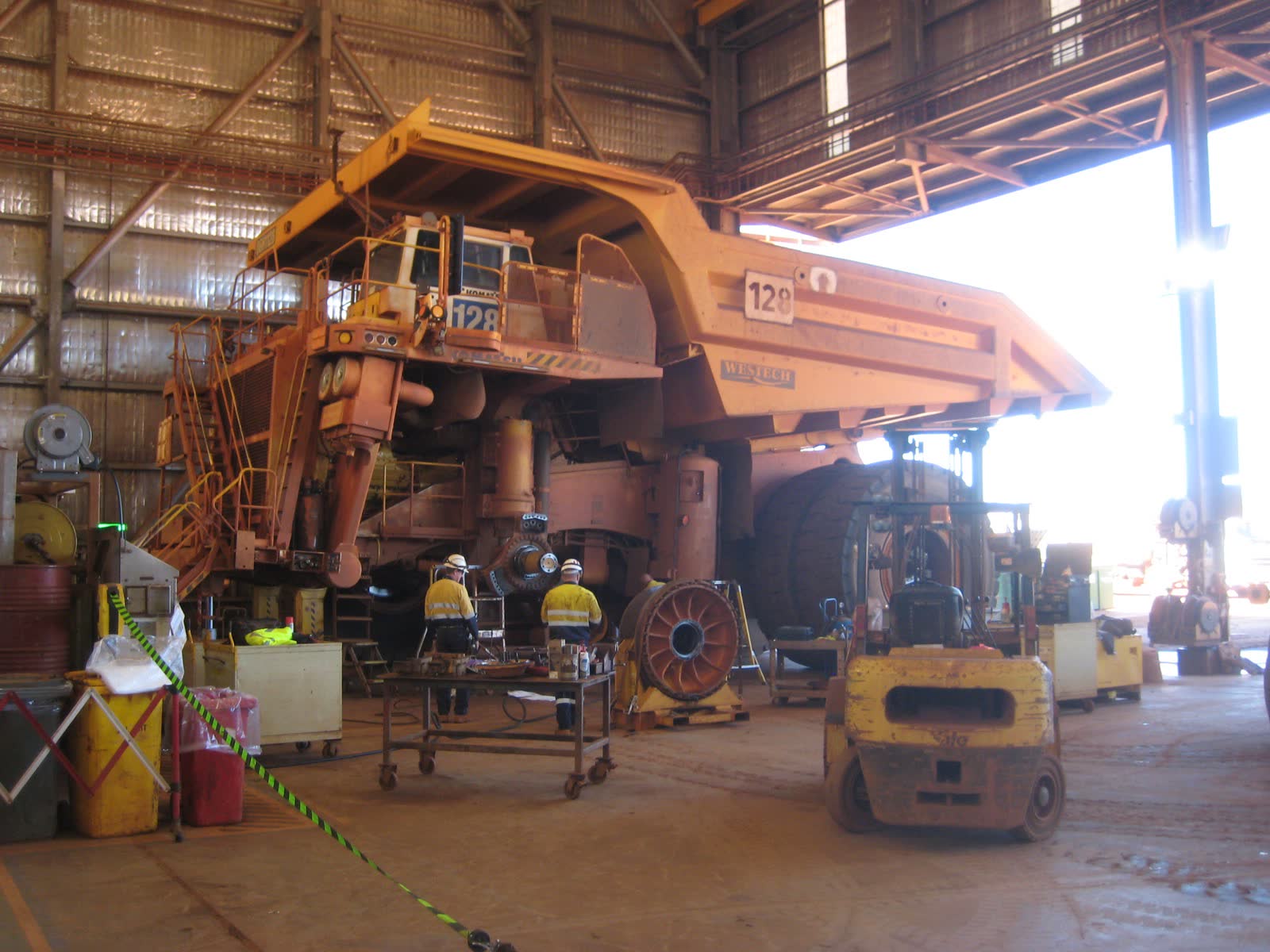
  • Mining haul truck under repair at Brockman 4 mine

    "Haul truck under repair at Brockman 4" by Calistemon, Wikimedia Commons, CC BY-SA 4.0.

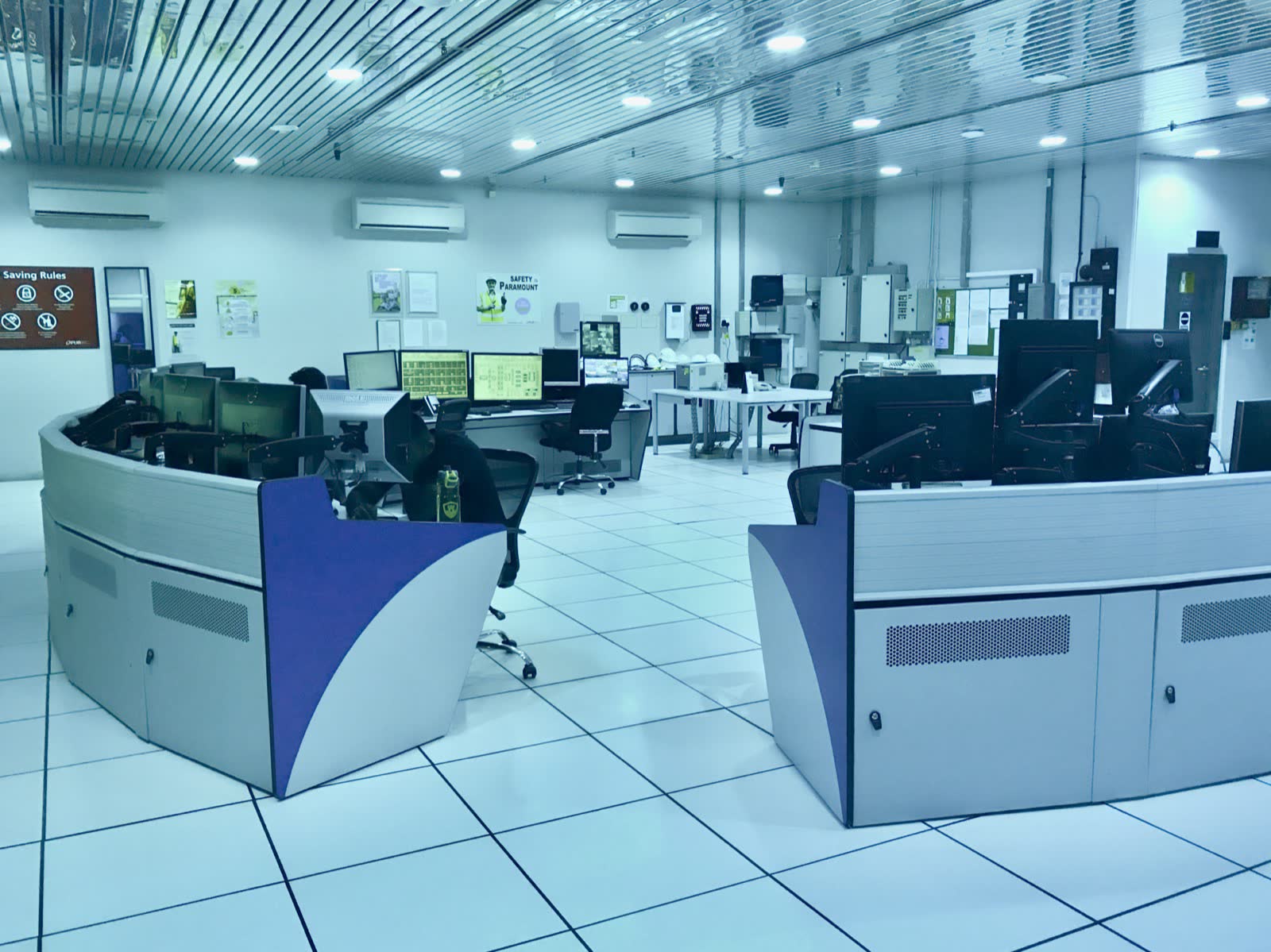
  • Plant SCADA control room

    "NEWater S.C.A.D.A. room" by Z22, Wikimedia Commons, CC BY-SA 4.0.

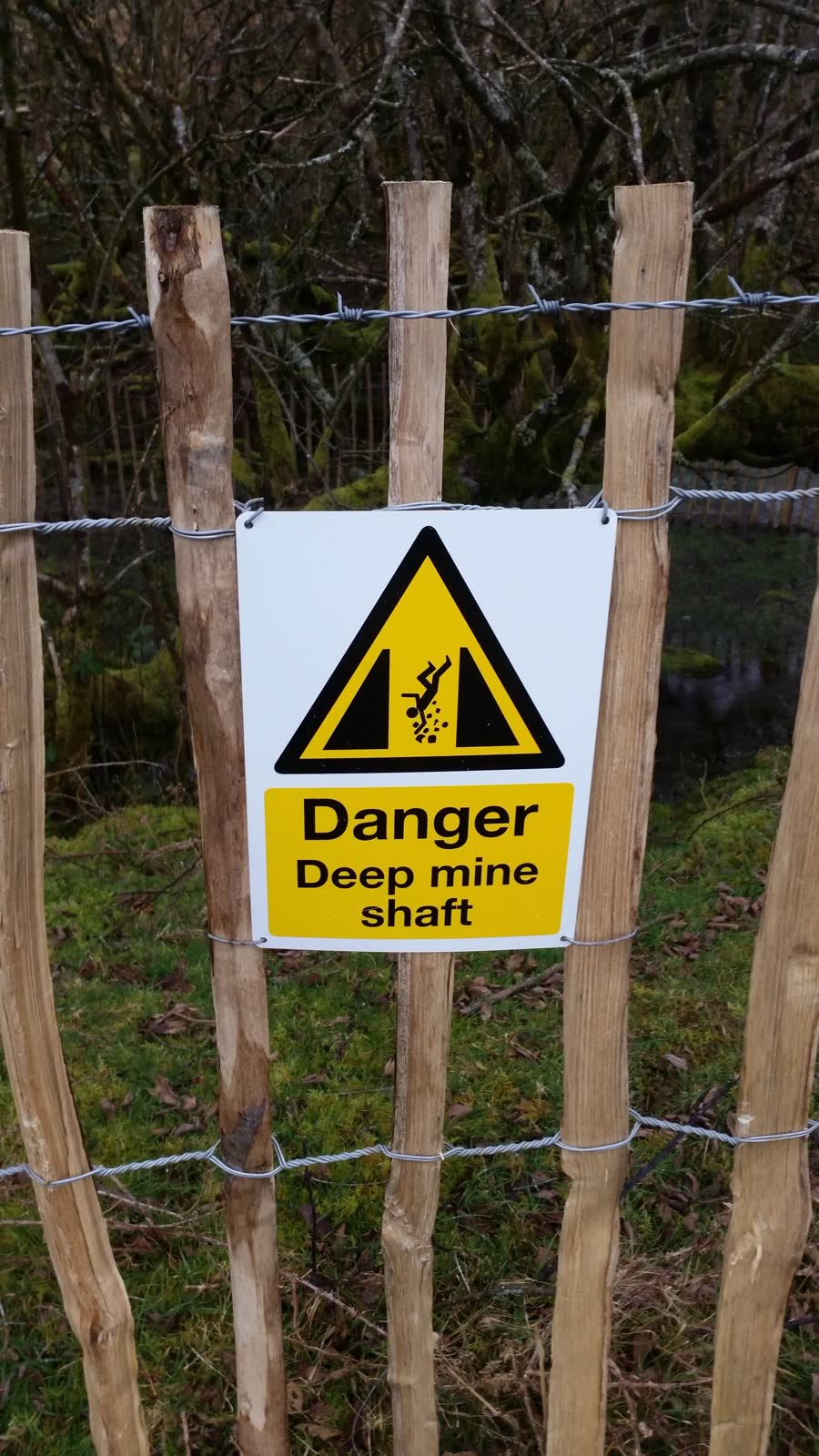
  • Mine-shaft hazard warning sign

    "Mine Shaft Sign, Birch Tor and Vitifer Mine" by Partonez, Wikimedia Commons, CC BY-SA 4.0.

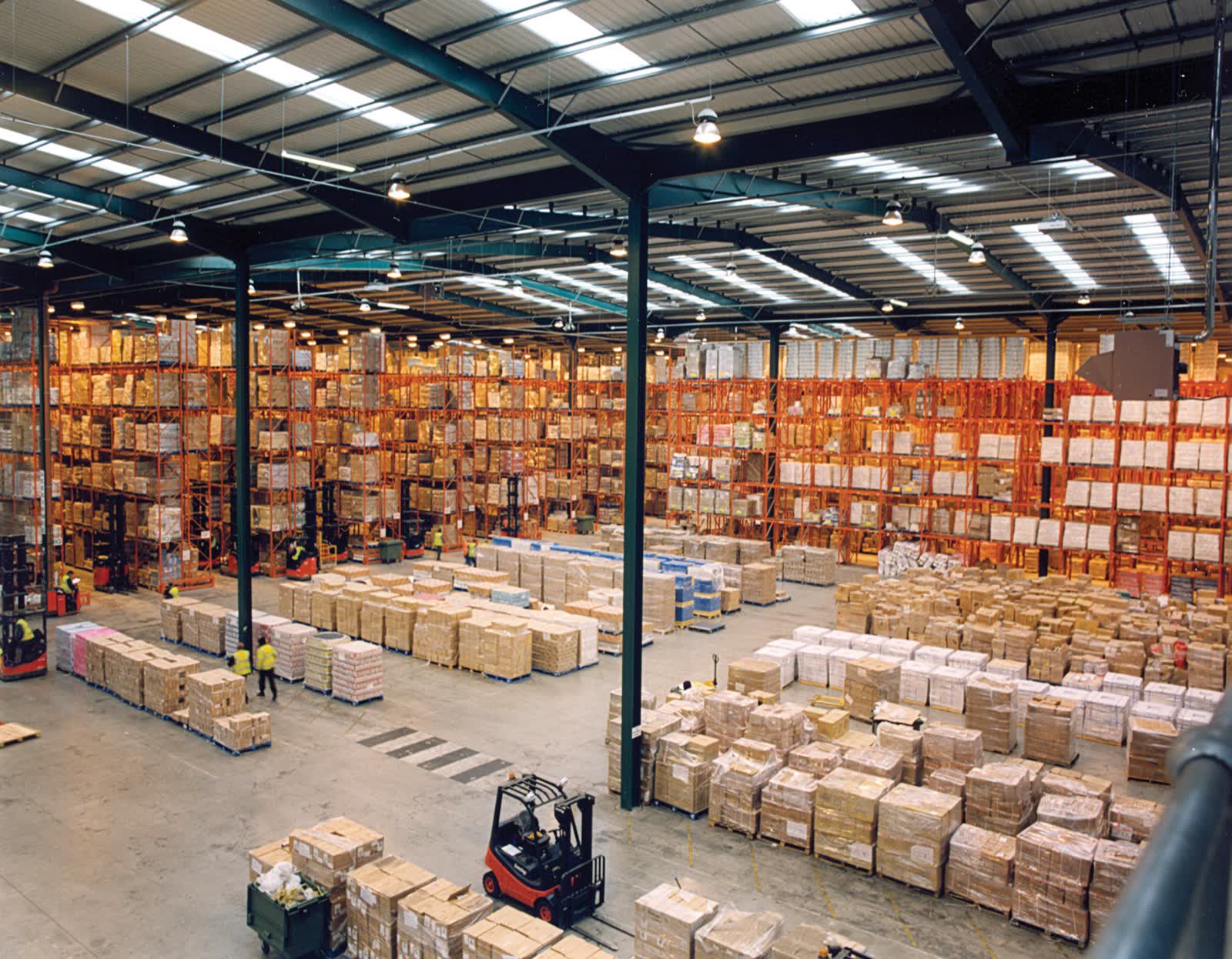
  • Modern warehouse with pallet racking

    "Modern warehouse with pallet rack storage system" by Axisadman, Wikimedia Commons, CC BY-SA 3.0.

Bring us your plant, your machines, your SHEQ programme.

Mines, plants, factories, construction sites — anywhere competence has to be trained and proven, and a hazard missed is expensive. An afternoon of capture, and your site gets a walkthrough, a training module and a hazard-hunt you own.